We apologise but there was a problem sending your message. Please contact customer support at [email protected]

March 27th 2026
When parents think of enrolling their child in an independent senior school, it is often with the thought that it’s a five- or seven-year commitment. However, that does not necessarily have to be the case. With many independent senior schools offering several formal entry points, discerning parents are using this to their advantage to get the most value for their money and the best educational boost for their child.
All the Way: Year 7 to Upper Sixth
Joining in Year 7 and going all the way through to the end of Upper Sixth is a traditional approach to senior school, especially for girls. It allows your child to settle in with the main intake of pupils, get to know the school and teachers and make secure friendships before talking on any important public examinations.
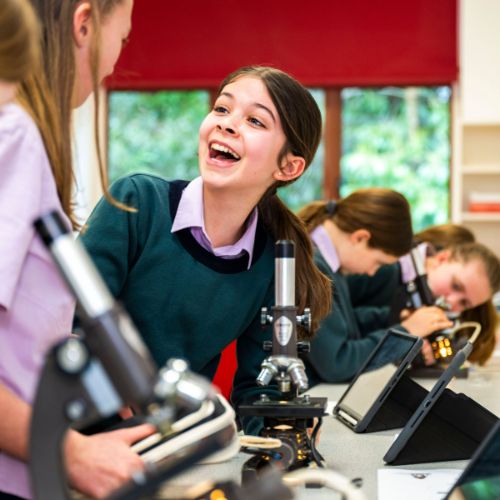
There are some great bonuses to being in an independent school for Years 7 and 8: they tend to offer a broader and more in-depth curriculum, an extended day (which is perfect if you don’t want them left home alone in the afternoon just yet!) and smaller class sizes.
- Independent schools aren’t restricted by being required to follow the National Curriculum, meaning in Years 7 and 8 they often go beyond it. This can result in earlier exposure to GCSE-style content, more curriculum time for English, Maths and Sciences, and the chance to study subjects such as Latin, Classics or additional Modern Languages that are less commonly available in state schools.
- An extended day, either thanks to the plethora of before- and after-school clubs which characterise an independent school, or thanks to extra (and often ‘free’) breakfast and prep/homework clubs, can make a busy life much easier. Being able to drop your child off as early as 7.30 am, and not need to collect them until 6.00 pm, is excellent for accommodating a busy work schedule, safe in the knowledge your child is being cared for and is cracking on with learning and developing. At Farnborough Hill, there is no need to sign up in advance for morning or afternoon supervision – it can be entirely ad-hoc and totally fitted around your needs as a family.
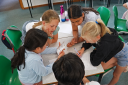
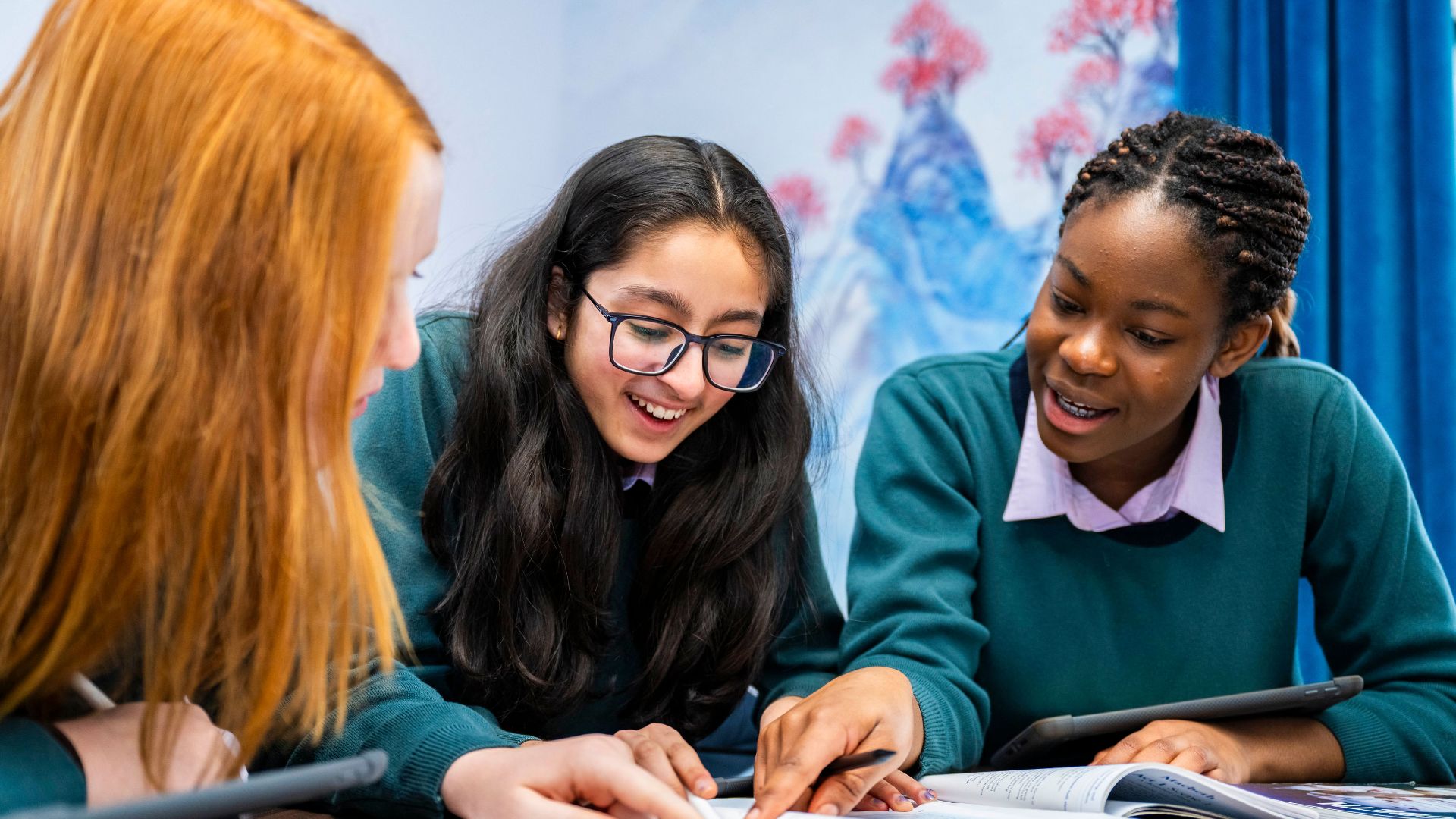
- Many state schools feature class sizes of 30 plus pupils, whereas in an independent school classes tend to max out at around 25 pupils. At Farnborough Hill, you can expect classes of 20 or so, meaning more one-one time with the teacher, more chance for collaboration and less disruption as the teacher has eyes on fewer pupils. This is super for really getting those all-important foundations in place.
While increasingly there are schools which offer girls education until the end of Year 8 (traditionally this was very much a boys’ path), you might also want to consider the teachers’ specialisms: will your child be taught all subjects by a general teacher, which tends to be the norm for Key Stages One and Two, or are there subject-specialists for Year 7 and 8 who have the knowledge and passion to give a great grounding ahead of Year 9 and GCSEs?
Jumping in Mid-Way: Year 9 to Upper Sixth
There tends to be three reasons for joining a senior school at Year 9:
- As mentioned, there are a number of prep schools which offer education to the end of Year 8. If this is where your daughter is, then moving for Year 9 is the natural next step.
- Another sector of parents are actively choosing a local state option for Year 7 and 8, often following on from a local primary or junior school, then make the move for Year 9 ahead of GCSEs. They weigh up the cost of an independent education against the importance of each stage, concluding that GCSE and A level is worth the investment over KS3.
- Finally, the third set of families give state education a go for Year 7 and 8 and subsequently discover that it just isn’t right for their child: the classes might be too big, the pastoral care not quite the right fit and the curriculum not exactly what their child needs. They then seek out an independent school, looking for that thing which wasn’t quite right in their state option.
As with Year 7 and 8, the breadth of curriculum is generally greater in an independent school. In many independent schools, pupils begin GCSE courses in Year 9 or follow a carefully structured transition year that allows greater depth and building of skills before formal exams. This often results in:
- A wider choice of GCSE subjects (eg three separate sciences as standard, multiple languages, Latin/Classical Greek)
- More flexibility to tailor subject combinations to individual strengths – at Farnborough Hill the timetable is built around pupils’ choices; in contrast, state schools are often more constrained by timetable, staffing and funding, which can limit options.
In addition, GCSE classes in independent schools are typically smaller, particularly in Years 10 and 11. While many state schools have excellent teachers, larger class sizes can reduce the level of personalised attention during high-stakes exam preparation. A lower pupil:teacher ratio also means flexibility for more structured GCSE support, closer academic monitoring and better progress tracking. Early intervention can head off later problems, creating a culture where pupils are well prepared for public exams, rather than relying heavily on last-minute cramming.
The pupil:teacher ratio is beneficial from a pastoral point of view, too, which is especially important as pupils navigate not only the pressure of their first public examinations but the hormones that come with being a teenager. A strong tutor and house system, academic mentoring and wellbeing check-ins and close communication with parents allow problems to be worked through as they arise. Happiness breeds success and this integrated pastoral approach can help pupils manage workload, stress and motivation through GCSEs.
Finally, at an independent school, and in contrast to the norm at some state schools where GCSE pressures reduce enrichment, independent schools often:
- Protect time for sport, music, drama and leadership roles
- Encourage continued participation in teams, ensembles and productions
- Use co-curricular activities to support resilience and balance.
This can help pupils develop confidence and transferable skills alongside academic success, which is increasingly important for accessing the job market later in life.
The Cherry on Top: Lower and Upper Sixth
While some pupils feel the pull towards the greater freedom of an A level college, we are seeing an increasing trend of pupils from the state system switching to an independent Sixth Form to gain a boost for their A levels and to access the support they need to open the doors to their chosen career path – be that university, a degree apprenticeship or straight into the world of work.
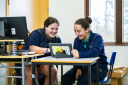
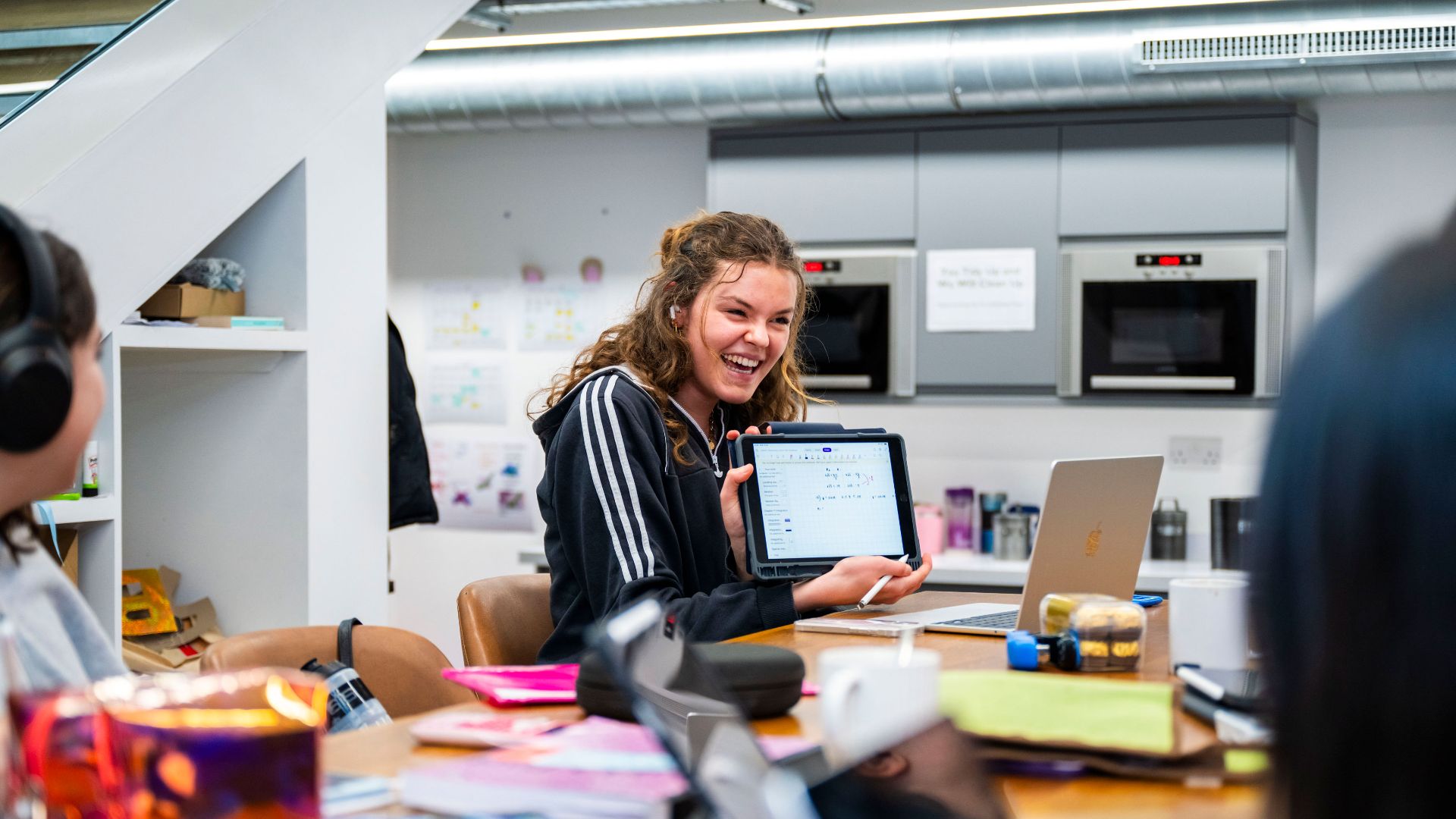
As with further down the school, the class sizes in an independent Sixth Form will be smaller than that in a college – much, much smaller. At Farnborough Hill, classes are typically between 4 and 12 students, whereas you can expect 30 plus in a college. These smaller class sizes allow for seminar-style teaching and regular discussion, detailed feedback on essays etc and close tracking of individual progress.
In an independent school sixth form, A levels sit within an academic school culture, with clear expectations around attendance, work ethic and independent study. While the freedom of a state college, where you only attend your subject lessons and most other things are optional, will suit those who are most motivated, some young adults prefer the accountability of an independent sixth form – they feel it keeps them on track to success. This is mirrored in the pastoral set-up as well: state colleges often operate with looser pastoral structures, reflecting their more adult learning environment, whereas the support offered in Years 7 – 11 is still there for you as a sixth former in an independent school. Similarly, independent schools usually offer highly structured university preparation, including:
- Personal statement guidance and interview preparation
- Support for competitive courses (Oxbridge, Medicine, Dentistry, Veterinary Science)
- Dedicated UCAS support
State colleges do provide UCAS support, but adviser-to-student ratios are often higher and we have heard of instances where there has been one face-to-face meeting in a two-year period.
Finally, being attached to a wider school allows independent sixth forms to offer:
- Leadership roles (prefects, mentoring younger pupils)
- Continued access to sport, music, drama and societies
- Opportunities to develop confidence, responsibility and teamwork
State colleges tend to focus more narrowly on academic or vocational study, with fewer structured leadership opportunities.
However, state Sixth Form and Further Education colleges can be excellent, particularly for:
- Students seeking a more independent, adult environment
- Those combining academic and vocational pathways
- Learners who thrive in larger, more diverse settings
At Farnborough Hill, we are always open to honest conversations with Year 11 pupils as to what their best options for Sixth Form are, and recognise that the traditional subjects we offer aren’t for everyone. However, independent school Sixth Forms typically offer smaller classes, closer academic and pastoral oversight, stronger university preparation, and continuity of support, which can be especially valuable for academically ambitious students.
Ultimately, there is no single “right” route through secondary and sixth form education – much depends on your child’s personality, learning style, aspirations and your family’s circumstances. State schools and colleges can provide outstanding opportunities, and many pupils thrive within them. However, an all-through independent school journey, or a well-timed move into the independent sector, can offer a bit of a boost thanks to smaller class sizes, specialist teaching and a high level of academic and pastoral support that many families find invaluable. Whether your child joins at Year 7, Year 9 or Sixth Form, what matters most is finding an environment in which they feel supported, challenged and happy, enabling them to make the most of their talents and move confidently towards their future.
Arrange a visit to Farnborough Hill